

Comparative Analysis of HICLOVER Waste Incinerators in Global Waste Management Informational Layer: Understanding Waste Incineration and Temperature Standards Waste incineration is a proven waste management technology that involves the combustion of organic substances contained in waste materials. The process converts waste into ash, flue gas, and heat. Incineration is a popular method for disposing of […]
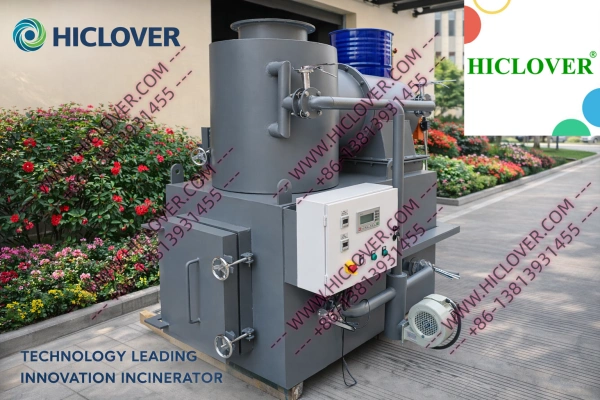
HICLOVER TS-30D PLC Incinerator (Former YD-30 PLC): Intelligent Small-Scale Waste Incineration Solution The HICLOVER TS-30D PLC incinerator, previously known as YD-30 PLC, is a compact, fully automatic waste incineration system designed for facilities that require stable high-temperature destruction, operator safety, and fuel-efficient operation. With a nominal burn rate of 30 kg per hour, the TS-30D […]
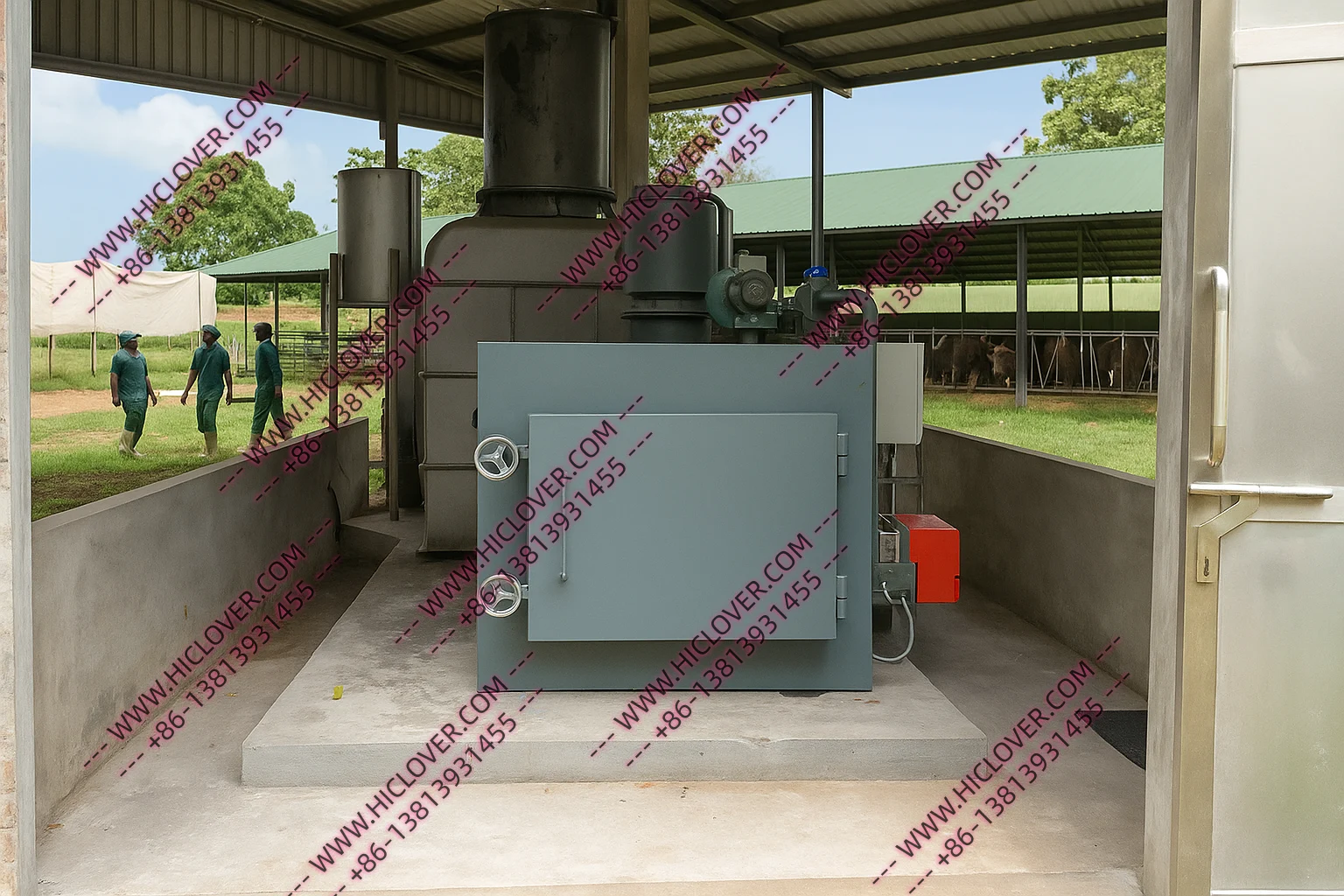
Incinerator Suppliers in Sierra Leone: How to Source a Reliable Waste Incinerator for Hospitals, Camps, and Industrial Sites Sierra Leone is experiencing steady growth in healthcare services, urban infrastructure, and resource-driven projects. Alongside that progress, one issue becomes increasingly important for public safety and environmental management: waste disposal. From infectious medical waste at hospitals to […]
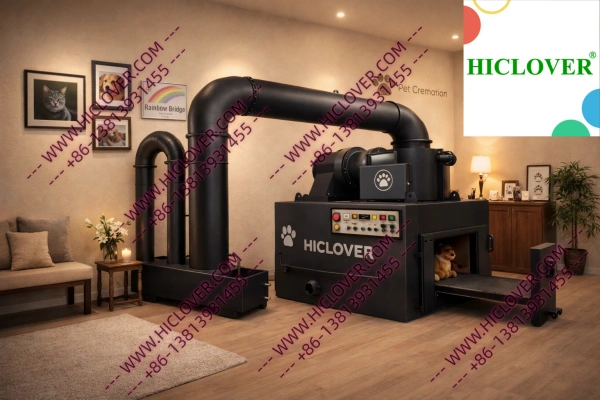
Pet Cremation Incinerator for Veterinary Clinics & Pet Funeral Homes (30–50 kg/h TS50PET) Pet Cremation Incinerator System (30–50 kg/h) Product Overview The HICLOVER TS50PET Pet Cremation Incinerator is a dedicated, industrial-grade cremation solution developed specifically for the dignified, safe, and environmentally responsible disposal of animal remains. Built on time-tested dual-chamber high-temperature incineration technology and supported […]

Incinerator Suppliers in Chad: Modern Waste Incinerator Solutions for Emerging Infrastructure Across Central Africa, waste management is increasingly linked to public health, environmental protection, and infrastructure resilience. In Chad, growing healthcare demand, urban expansion, and humanitarian operations are driving interest in reliable waste incinerator systems. As a result, searches for incinerator suppliers in Chad are […]
Malawi Waste Incinerator Market Report: Demand, Trends, and the Role of Modern Incineration Technologies 1. Overview of Malawi’s Waste Management Landscape Malawi, with key cities such as Lilongwe, Blantyre, Mzuzu, and Zomba, faces growing pressure to upgrade its waste treatment systems. Population growth, expanding healthcare services, and rapid urbanization have increased the volume of municipal […]
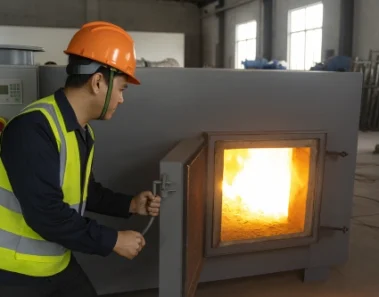
Rapport sur le marché des incinérateurs d’ordures au Tchad — besoins, tendances et opportunités Le Tchad traverse aujourd’hui un tournant critique dans la gestion des déchets. Dans les villes comme N’Djaména, Moundou, Sarh ou encore Abéché, l’urbanisation, la croissance démographique et le développement des infrastructures de santé génèrent des volumes croissants de déchets municipaux, médicaux […]
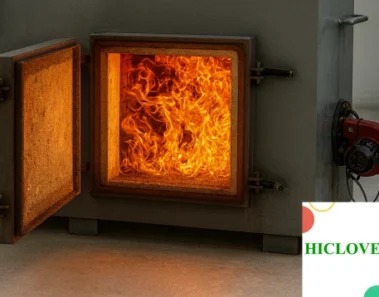
Medical Waste Incineration in Burundi: Emerging Demand & Why HICLOVER Fits the Bill As Burundi’s healthcare sector gradually expands — with growing numbers of clinics, small hospitals and maternal health centers across urban and rural areas — the challenge of medical waste disposal is becoming increasingly urgent. Contaminated sharps, used bandages, biological waste, and other […]
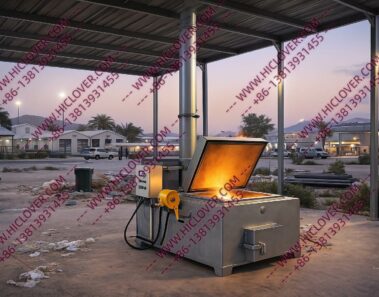
Gestion Moderne des Déchets avec un Incinérateur à Chargement Supérieur : L’Avantage du HICLOVER TS20 Le HICLOVER TS20, équipé d’une porte supérieure (top open door), est conçu pour les structures recherchant un incinérateur compact, fiable et facile à installer. Son système de chargement par le dessus facilite la manipulation des déchets, améliore la sécurité et […]
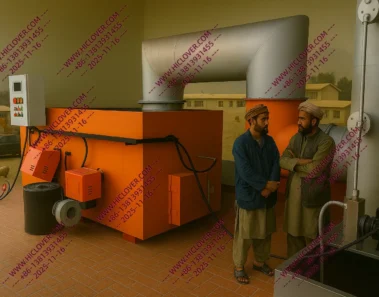
Strengthening Medical Waste Management in Afghanistan: The Role of Modern Incinerators under International Aid Programs Background: International Support and Local Challenges Afghanistan continues to face significant challenges in healthcare waste management despite increased attention from international institutions such as the United Nations (UN), UNICEF, World Bank, and World Health Organization (WHO). Over the past decade, […]